Architects & Engineers Collaboration
Partnering for sustainable design for affordable, modular & modern for all Canadians.
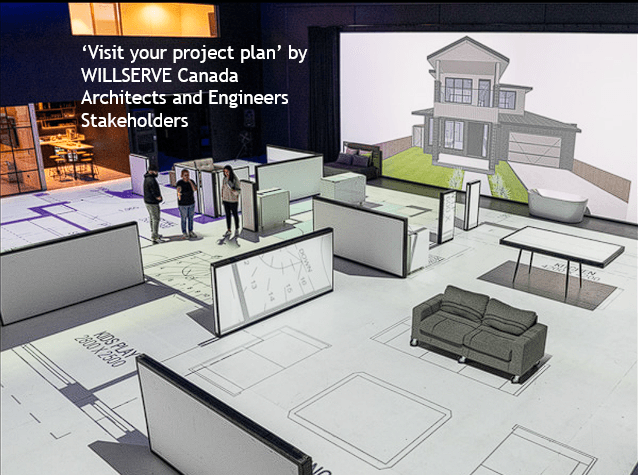
Architects & Engineers Collaboration
Building a Greener, More Sustainable Canada
Architects and Engineers are integral to the progress and beauty of any nation. In Canada, the vibrant cities, sustainable communities, and inspiring infrastructure we see every day are the result of the vision and dedication of brilliant architects and engineers.
WILLSERVE Canada aims to connect architects and engineers with key stakeholders — including investors, landowners, developers, municipalities, and provincial authorities — to collaboratively build a greener and economically sustainable Canada.
Through strategic collaboration and innovation, WILLSERVE Canada strives to support the creation of livable, enjoyable, comfortable, and attractive communities that uphold Canada's values of sustainability, design excellence, and long-term prosperity.
"Architects and Engineers shape the future of nations. WILLSERVE Canada connects design innovators with investors, landowners, and public stakeholders to build a greener, economically sustainable, and beautifully livable Canada."
WILLSERVE Canada Connecting Architects, Engineers & Stakeholders to Build a Sustainable and Beautiful Canada.
WILLSERVE Greenfield Consortium Development Model (GCDM)
1. Core Concept
The WILLSERVE Greenfield Consortium Model is a collaborative platform where Architects, Engineers, Investors, Landowners, Developers, Governments, and Industry Partners jointly design and initiate development projects — before traditional project structures begin.
Instead of waiting for a developer to hire consultants, the design community helps create the project vision from the very beginning.
This gives architects and engineers a strategic leadership role in nation building.
2. Why This Model Is Important
Currently in Canada:
- Architects are usually hired after land acquisition and financing
- Engineers work mainly as technical consultants
- Many potential projects never reach development stage
Your model solves this.
Architects and engineers become:
- Vision creators
- Project originators
- Innovation leaders
- Sustainability designers
- Economic development partners
This approach can generate new projects that otherwise would not exist.
3. Structure of the WILLSERVE Consortium
WILLSERVE acts as the Connector and Ecosystem Platform.
Key Participants:
- Architects
- Engineers
- Land Owners
- Investors / Funds
- Developers / Builders
- City & Provincial Authorities
- Industry Partners
- Technology & Sustainability Experts
All come together under a Project Consortium.
4. How the Model Works
Step 1 — Opportunity Identification
WILLSERVE identifies:
- Underutilized land
- Industrial land
- Agricultural transition zones
- Urban redevelopment areas
- Regional economic opportunities
Cities and provinces can also submit development priorities.
Step 2 — Design Innovation Phase
Architects and engineers lead the concept development. They prepare:
- Master planning
- Sustainability model
- Infrastructure concept
- Green building approach
- Industrial or mixed-use design
This phase creates a Vision Project Proposal.
Step 3 — Consortium Formation
WILLSERVE forms a Greenfield Development Consortium including:
- Land owner
- Investors
- Architects
- Engineers
- Developer partners
- Technology partners
Each stakeholder has defined roles and participation.
Step 4 — Project Validation
The consortium evaluates:
- City planning alignment
- Provincial economic priorities
- Infrastructure feasibility
- Environmental sustainability
- Financial viability
Projects can be aligned with programs from:
- Canada Infrastructure Bank
- Business Development Bank of Canada
- Canada Mortgage and Housing Corporation
Step 5 — Investment Structuring
Investment structure may include:
- Public-private partnership
- Development fund
- Institutional investors
- Pension funds
- Real estate funds
Architects and engineers can also hold innovation equity participation.
Step 6 — Government & City Alignment
WILLSERVE presents the project to:
- City planning departments
- Provincial ministries
- Infrastructure agencies
Because the project is already professionally designed and economically justified, approval chances increase.
Step 7 — Development Launch
Once approvals and funding are secured:
- Developer partners lead construction
- Architects lead design excellence
- Engineers lead technical delivery
5. New Role for Architects and Engineers
This model expands their role from consultant → development partner.
Architects & Engineers can contribute:
- Concept creation
- Sustainability leadership
- Master planning
- Infrastructure strategy
- Climate resilience design
- Smart city planning
They can even receive:
- Design leadership fees
- Project equity
- Innovation royalties
6. Types of Projects This Model Can Create
The consortium could initiate:
- 🏡 Sustainable housing communities
- 🏭 Industrial innovation parks
- 🌱 Agri-tech clusters
- 🏥 Health innovation districts
- 🏢 Mixed-use urban developments
- 🚚 Logistics hubs
- ♻️ Circular economy parks
These projects create jobs, industry, and housing simultaneously.
7. Why This Model Is Rare in Canada
Canada usually follows a Developer-led model:
Developer → hires architect → hires engineer
WILLSERVE's proposal is a Design-led innovation model:
Design Community → creates vision → investors join → developers execute
This approach is used in Europe and some advanced cities but is not widely structured in Canada.
8. Role of WILLSERVE Canada
WILLSERVE becomes the National Project Catalyst.
Functions:
- Ecosystem builder
- Consortium creator
- Opportunity identifier
- Stakeholder connector
- Development facilitator
This aligns with WILLSERVE's broader vision of a "Canadian Strategic Venture Development Ecosystem."
9. Impact for Canada
If implemented nationally:
- More housing supply
- More industrial projects
- More regional development
- Faster project creation
- Greater sustainability
- Stronger architect and engineer leadership
This also supports Canada's climate and economic goals.